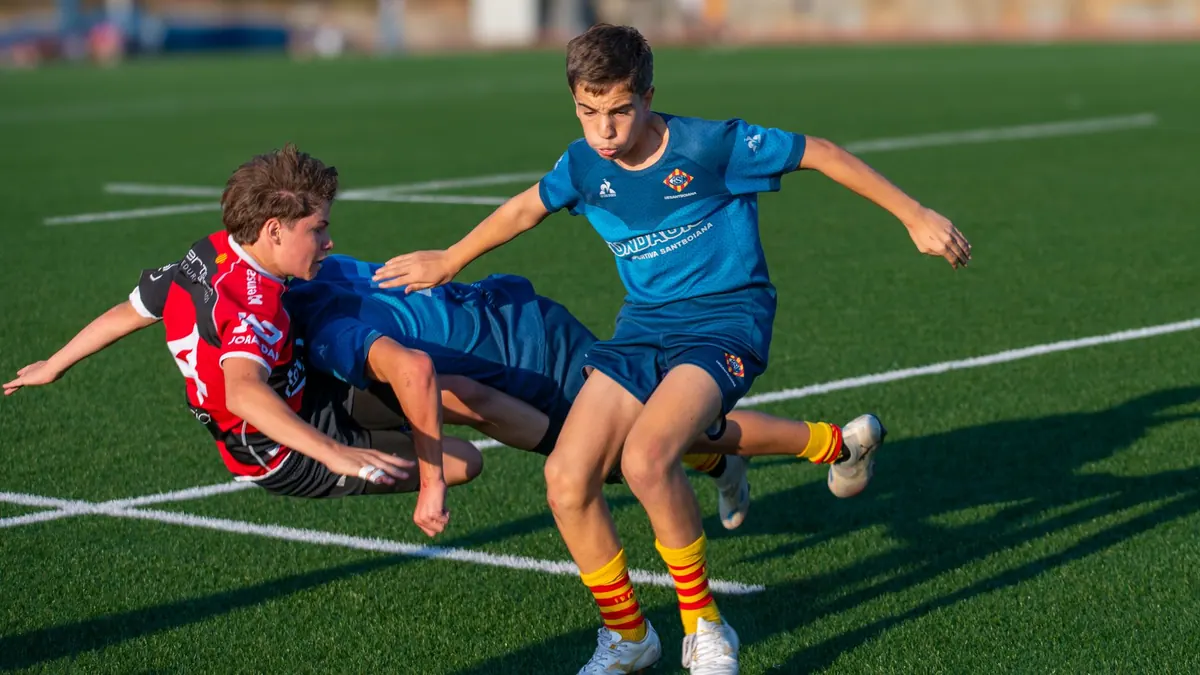

The winger takes a knock to the jaw in the 12th minute, gets to his feet, shakes his head and waves the physio away. He wants to stay on. Everyone on the bench wants him to stay on. That instinct is exactly why concussion protocols exist, and why they are written to override it.
Rugby has moved a long way from the days of "he's had his bell rung, give him a minute." What follows is how the current system actually works, what the return-to-play steps look like in practice, and where players, coaches and parents most often get it wrong.
How a head injury is handled during a match
The guiding principle in every rugby union is simple: recognise and remove. If there is any suspicion of concussion — a direct hit to the head, a whiplash-style collision, a player who is unsteady, confused, slow to get up, or simply not acting like themselves — that player comes off and does not go back on.
At elite level, that suspicion triggers a Head Injury Assessment (HIA). A doctor or independent match-day doctor runs a structured series of checks: memory questions, balance tests, symptom reporting, and often a review of the incident on video. In most professional competitions the assessment happens off the pitch, and a temporary replacement is allowed while it is carried out. Fail it, or show clear signs of concussion such as loss of consciousness, and the removal becomes permanent for that match. Some competitions also use a coloured card system at community level, sending a player off for mandatory assessment rather than leaving the decision to the sideline.
Two things worth being clear about. First, you do not need to be knocked out to have a concussion — the vast majority of concussions in rugby involve no loss of consciousness at all. Second, a player can pass an initial pitch-side check and still develop symptoms hours later. That is why the assessment is the start of the process, not the end of it.
The return-to-play ladder, step by step
Once a concussion is confirmed, the player begins a graduated return. Every rugby union publishes its own version, but the shape of it is consistent. Each step normally takes at least 24 hours, and if symptoms return, the player drops back a step and waits.
- Rest and recovery. Relative rest for the first day or two — sleep, hydration, good food, no alcohol, and time away from intense screens and study where symptoms allow. Complete darkness and total inactivity are no longer recommended.
- Light aerobic exercise. Walking or a stationary bike, at a pace that does not bring symptoms on.
- Sport-specific work. Running, passing, kicking, gym work — no contact, no risk of head impact.
- Non-contact training. Full involvement in drills, resistance training, still nothing that involves tackling or contact.
- Full contact training. Only after a qualified medical practitioner has cleared the player to progress.
- Return to match play. Ideally with some managed minutes rather than a full 80 straight away.
Under World Rugby's elite protocols, a player diagnosed with concussion faces a minimum stand-down period of around 12 days before returning to play. That number is a floor, not a target. Many players take considerably longer, and children and teenagers are usually managed more conservatively still, because the developing brain takes longer to recover.
Who is responsible for what
Concussion management fails when everyone assumes someone else is watching. Roles are clearer than most people think.
- Players: report symptoms honestly, including headaches, nausea, dizziness, sensitivity to light, feeling "foggy", or changes in mood and sleep. Hiding symptoms to stay on the pitch is the single fastest way to turn a two-week problem into a two-month one.
- Coaches: remove first, ask questions later. A coach's job is not to diagnose — it is to act on what they see and let a medical professional take over.
- Medics and physios: lead the assessment, document everything, and make the return-to-play call without pressure from results, selection or the player themselves.
- Referees: stop play when a player is clearly unsteady or has taken a heavy blow to the head, and support permanent removal.
- Parents and guardians: ask about symptoms at home, watch for delayed signs over the following days, and share any concerns with the club's medical staff.
If in doubt, sit them out. Nobody has ever regretted a cautious call.
Concussion does not end at the final whistle
Symptoms often appear or worsen hours after the match. Watch for worsening headache, repeated vomiting, drowsiness that is hard to wake from, confusion, slurred speech, weakness or numbness, or a seizure. Those are emergency signs — seek urgent medical attention rather than waiting for the next training session.
There is also a wider recovery picture. A player recovering from concussion is usually still working, studying or looking after family, and screens, noise and long days can bring symptoms back. Recovery is often about managing the whole week, not just the training calendar. And repeating a head injury before the brain has recovered is the risk the protocols are built to prevent.
Community and junior rugby: where the gaps appear
Most rugby is played without a doctor on site. That makes two things essential: knowing your union's current rules, and keeping a written record of any head injury — date, what happened, symptoms, who assessed it, and when the player was cleared. Memory is a poor record, particularly when a player moves between school, club and representative teams.
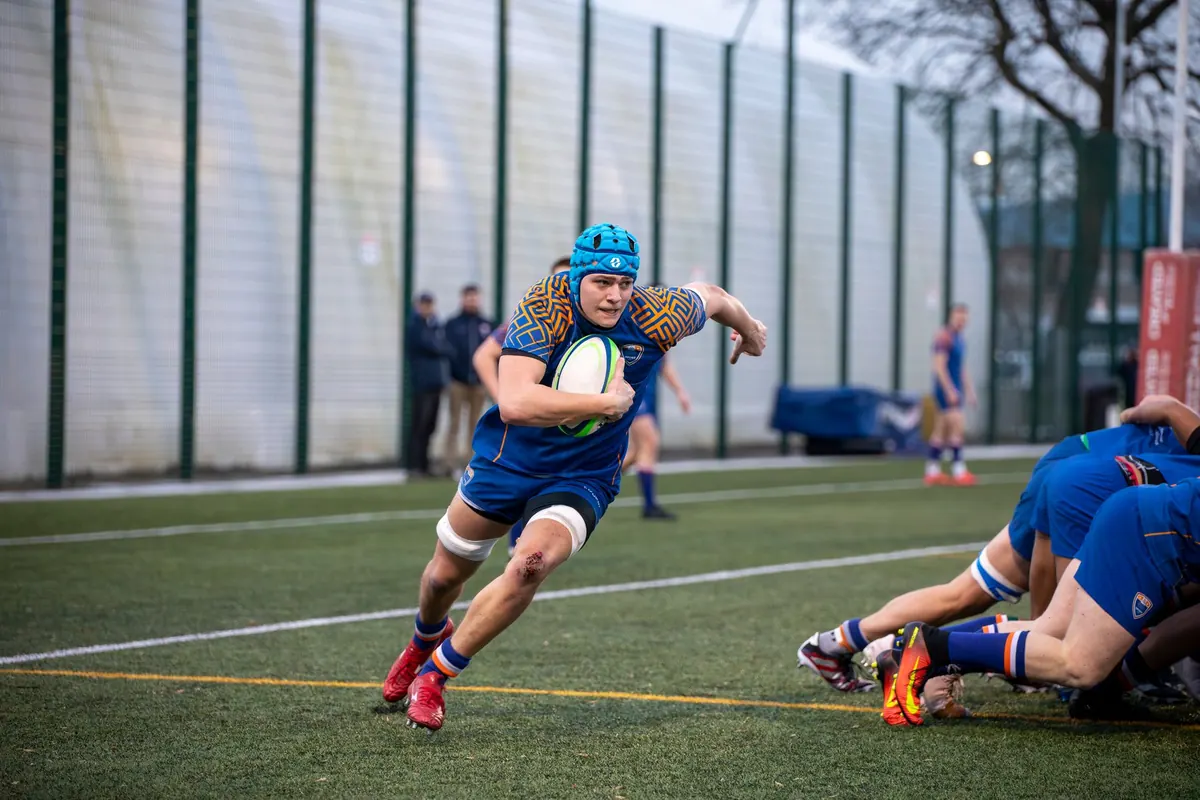
Coaches can also do practical work before an injury ever happens: teach safe tackle technique, keep contact sessions properly graded by age and experience, and make it clear in the first week of pre-season that reporting symptoms is expected, not weak. Good technique lowers risk; it does not remove it, which is why the removal rule still matters.
Five myths that still cost players weeks
- "He wasn't knocked out, so it isn't concussion." Loss of consciousness is not required.
- "He passed the check, so he's fine." Assessments catch most cases, not all. Symptoms can emerge later.
- "A mouthguard or scrum cap prevents concussion." They help with other injuries but do not stop the brain moving inside the skull.
- "He felt fine the next day." Feeling fine at rest is not the same as being ready for contact.
- "We'll manage it ourselves." Return-to-play decisions belong with qualified medical professionals.
What to do this week
Before the next session, check which concussion guidelines your competition follows and make sure everyone — players, coaches, parents — knows the removal rule. Print the return-to-play steps and put them in the physio bag. Confirm who makes the call on the day if no medical staff are present, and agree that no one returns to contact without clearance. Record any head injury in writing, even a minor one.
If a player has symptoms that concern you, get them seen by a doctor rather than working from a forum thread or a teammate's experience. Concussion advice is genuinely individual, and the right timeline depends on the person, the symptoms and the medical assessment in front of them.
Photo: Ollie Craig / Pexels