

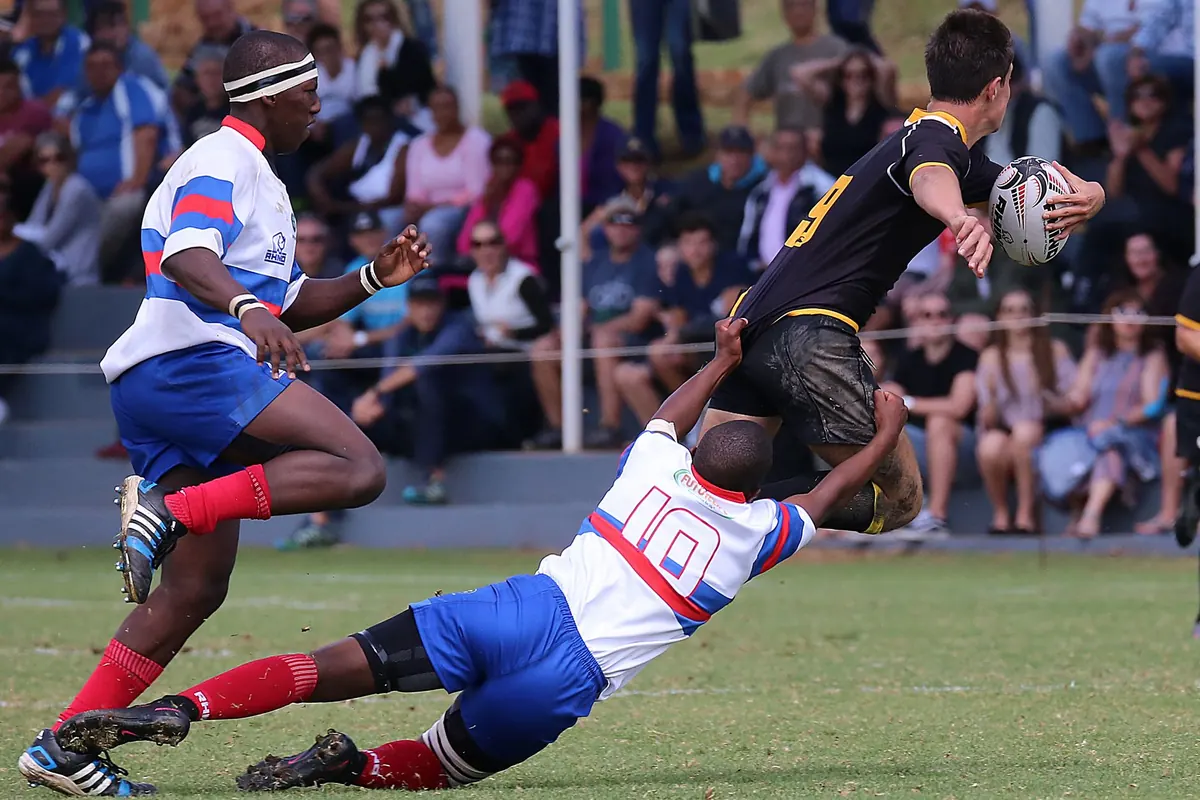
Your first rugby match at a stadium is not much like watching it on television. The noise arrives before the players do, the pitch looks narrower and closer than you expect, and a 120kg prop can end up sitting on the advertising boards roughly two metres from your knees. It is also, for most people, a genuinely good afternoon or evening out — provided you get a handful of small things right beforehand.
What follows is the practical version: what to pack, when to arrive, how the crowd behaves, and how to get home without losing an hour in a car park. You do not need to know the laws of the game. Watch the first ten minutes and the rest explains itself.
Before You Leave the House
Check the kick-off time on your actual ticket, not the fixture list you glanced at three weeks ago. Broadcasters move matches, and a comfortable 3pm Saturday can quietly become a 5.30pm Friday. Confirm the date, the time and the venue, then build the day around it.
Look up the stadium's ground rules the week before you travel. Bag policies are the usual stumbling block: plenty of grounds allow only small bags, some insist on clear ones, and a few allow none at all beyond a coat pocket. Many stadiums are now completely cashless, so bring a card even if you like to carry notes. If you are buying tickets from anyone other than the club, use their official resale platform. Anything else is a gamble you do not need to take.
What to Wear and Bring
Stadium seating is tighter and more exposed than a sofa. Dress for the weather you will actually get, not the forecast you were hoping for, and think in layers rather than one heroic winter coat.
- Layers: a base layer, a mid layer and a waterproof shell. You can shed one at half-time; you cannot invent a jumper you left at home.
- A poncho instead of an umbrella. Umbrellas are banned in the seating areas at many grounds and are unpopular with everyone sitting behind you.
- A soft cushion or folded scarf if you are in old wooden or plastic bench seating. Your back will thank you by the 60th minute.
- Gloves, hat and a spare pair of socks for winter fixtures. Cold feet ruin a good match faster than a bad referee.
- Sunscreen and a cap for early-season games. You will be sitting still in the open for two hours.
- A power bank if you are meeting people afterwards or relying on your phone for train tickets.
- Cash for programmes and bucket collections, plus a card for everything else.
- Any medication you might need, and a note of your seat number for anyone meeting you there.
Leave the flask of soup, the glass bottle and the drum at home. Most venues will take them off you at the gate.
Getting There and Getting In
Plan to arrive in the area around two hours before kick-off, especially for a big fixture. Trains fill up, roads around stadiums close, and the last twenty minutes before gates open produce the longest queues of the day.
Gates typically open somewhere between 90 minutes and two hours before the start, though it varies by venue and competition, so check. Aim to be through the turnstile at least 45 minutes early. That gives you time to find your block, work out which entrance your seat is nearest, and visit a toilet before the queues form.
If you are driving, book parking in advance where that is possible, and accept that you will walk. The unofficial spaces advertised on the approach are usually fine, occasionally not, and always more expensive than they look.
Once You Are Inside
Find your seat, then find the two things that matter: the nearest toilet and the nearest food outlet. At most grounds, both get busy about fifteen minutes before kick-off and stay busy through half-time. Eat early, or wait until the second half has started.
Stewards are helpful and used to first-timers, so ask if you cannot work out where you are going. If your view is blocked by a pillar or a camera position, mention it politely before kick-off rather than at full-time.
Rugby Crowd Rules You Will Not Know Until You Are There
Rugby crowds have their own rhythm, and a few habits will make you feel at home immediately.
- Go quiet for the kicker. When a player lines up a penalty or conversion, the whole ground falls silent — including for the away team. It is one of the sport's better traditions.
- Applause beats abuse. You will hear plenty of noise aimed at the referee, but the relentless personal hostility common at some other sports is not the norm here. Join in the shouting if you like; keep it about the decision.
- The clock counts up, not down. The referee decides when the game ends, so a match reading 80:00 can run several minutes longer. Stay in your seat.
- The ball may come to you. Catch it if you can, enjoy the moment, then throw it back towards the pitch or hand it to a steward. Keeping it is not the done thing.
- Players change during play. Replacements run on while the game continues, so do not panic when the team sheet stops matching the pitch.
- You will stand up a lot. For anthems, for tries, for the closing minutes. Nobody minds.
- Drinking at your seat is allowed at many rugby grounds, unlike football. Rules differ by venue and competition, so check before you carry four pints back to your row.
Scores are worth knowing so the scoreboard makes sense: a try is five points, a conversion two, a penalty three, and a drop goal three.
Getting Home
The final whistle is the worst moment to leave. Give it five or ten minutes, let the stands empty, and you will walk to the station or car park with far less pushing. If you are on a train, check whether services are running normally or on a match-day timetable, because the two are not always the same thing. Agree a meeting point with your group before you go in — phone signal inside a packed stadium is unreliable at best.
Your Match Day, Hour by Hour
- Two to three hours before: leave home, travel, arrive in the area.
- Ninety minutes before: gates open. Join the queue, get through security, find your block.
- Forty-five minutes before: settle into your seat, eat, use the toilets, read the team sheet.
- Ten minutes before: anthems, teams out, noise levels rising.
- Kick-off: watch, shout, stand, sit, repeat.
- Half-time: short. Move fast or stay put.
- Full-time: wait five minutes, then go.
That is the whole checklist. Turn up early, dress for the weather, bring less than you think you need, and follow the crowd's lead on the noise. If you are travelling with children or anyone with mobility needs, contact the club in advance — most are genuinely good at arranging accessible seating and early entry, but it is much easier to sort before match day than on the turnstile.
Photo: Patrick Case / Pexels